How to Grow Curry Leaf
Curry leaf (Murraya koenigii), commonly known as Kadi Patta, is an essential aromatic herb widely used in Indian cooking. Growing your own curry leaf plant is rewarding because it provides fresh, chemical-free leaves year-round. The plant is relatively easy to grow if you understand its climate, soil, watering, and nutrient needs.
In this blog, you’ll learn step-by-step how to grow curry leaf successfully in gardens, pots, or balconies.
Introduction to Curry Leaf Plant
Curry leaf is a tropical evergreen plant native to India. It thrives in warm and humid climates and can grow into a small tree if planted in open ground. In colder areas, it is commonly grown in containers and protected from frost. (The Spruce)
The plant is valued for:




- Strong aroma and flavor
- Medicinal properties
- Easy home cultivation
- Low maintenance requirement
Climate and Growing Conditions
Curry leaf plants prefer warm tropical to subtropical climates.
- Ideal temperature: Around 26–37°C
- Requires 6–8 hours of direct sunlight daily
- Sensitive to frost and extremely cold weather
Placing the plant in a sunny garden, balcony, or terrace ensures good growth and leaf production.
They also grow well in warm, humid conditions, making them suitable for most parts of India.
Soil Requirement
Soil quality plays a major role in curry leaf growth.
Best soil characteristics:
- Well-drained sandy loam or potting mix
- Slightly acidic to neutral pH (6–7)
- Rich in organic matter
Good drainage is critical because waterlogging can cause root rot and damage roots.
For pot growing, a good mix can include:
- Garden soil
- Compost or cow manure
- Sand or perlite
This combination ensures proper drainage and nutrition.
Also Read: The Best Types of Basil to Grow in an Herb Garden
Propagation Methods
1. Growing from Seeds
- Use fresh seeds for better germination
- Sow about ¼ inch deep
- Keep soil moist and warm
- Germination usually occurs in 2–4 weeks
2. Growing from Cuttings
- Take 4–6 inch stem cuttings
- Remove lower leaves
- Plant in moist soil
Cuttings grow faster and maintain parent plant characteristics.
Watering Schedule
Proper watering is key to healthy plants.
General watering tips:
- Water when top 1–2 inches soil becomes dry
- Avoid overwatering
- Water more frequently in summer
- Reduce watering in winter
During hot weather, watering every 2–3 days may be needed, while weekly watering is enough in cooler seasons.
Overwatering can lead to root rot, so always check soil moisture before watering.
Fertilizer Requirement
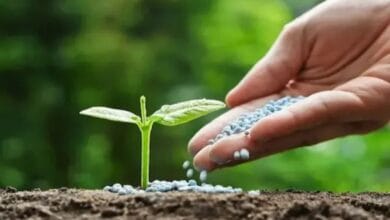
Curry leaf plants are not heavy feeders but benefit from occasional fertilization.
Recommended feeding:
- Nitrogen-rich fertilizer once every 1–2 months
- Balanced fertilizer during active growing season
- Organic fertilizers like compost, fish emulsion, or seaweed are useful
Monthly feeding during growth season improves leaf production.
Pruning and Maintenance
Pruning is important for bushy growth.
Benefits of pruning:
- Encourages new branches
- Increases leaf yield
- Maintains plant shape
Trim stems above leaf nodes to promote branching and denser growth.
Repot container plants every 2–3 years for better root development.
Also Read: How to Grow Poppy Seeds: A Complete Beginner to Pro Guide
Growing Curry Leaf in Pots

Curry leaves grow very well in containers.
Container tips:
- Use 10–12 inch deep pot initially
- Ensure good drainage holes
- Increase pot size as plant grows
Use soil mix with compost and sand for best results.
Indoor plants need bright sunlight or grow lights if natural light is insufficient.
Pest and Disease Management
Common pests:
- Aphids
- Scale insects
- Mites
Control methods:
- Neem oil spray
- Regular leaf inspection
- Avoid water stagnation
Neem oil is commonly used organic protection for curry leaf plants.
Harvesting Curry Leaves

You can start harvesting once plant is well established.
Tips:
- Harvest mature leaves
- Avoid removing too many leaves at once
- Regular harvesting encourages new growth
Fresh leaves provide best aroma and flavor.
Benefits of Growing Curry Leaf at Home
Fresh and chemical-free leaves
Saves money
Easy maintenance
Adds greenery to home
Medicinal and nutritional value
Also Read: Organic Sweet Potato Farming
Common Mistakes to Avoid
Overwatering
Growing in shade
Using heavy clay soil
Exposing plant to frost
Over-fertilizing
Final Thoughts
Growing curry leaf is simple if you provide warm climate, sunlight, and well-drained soil. With proper watering and occasional feeding, the plant can grow for many years and supply fresh leaves regularly. Whether grown in a garden or pot, curry leaf is one of the most useful and rewarding plants for Indian households.